Our Work
Recent Projects
A few driveways, patios and repairs we've poured recently.
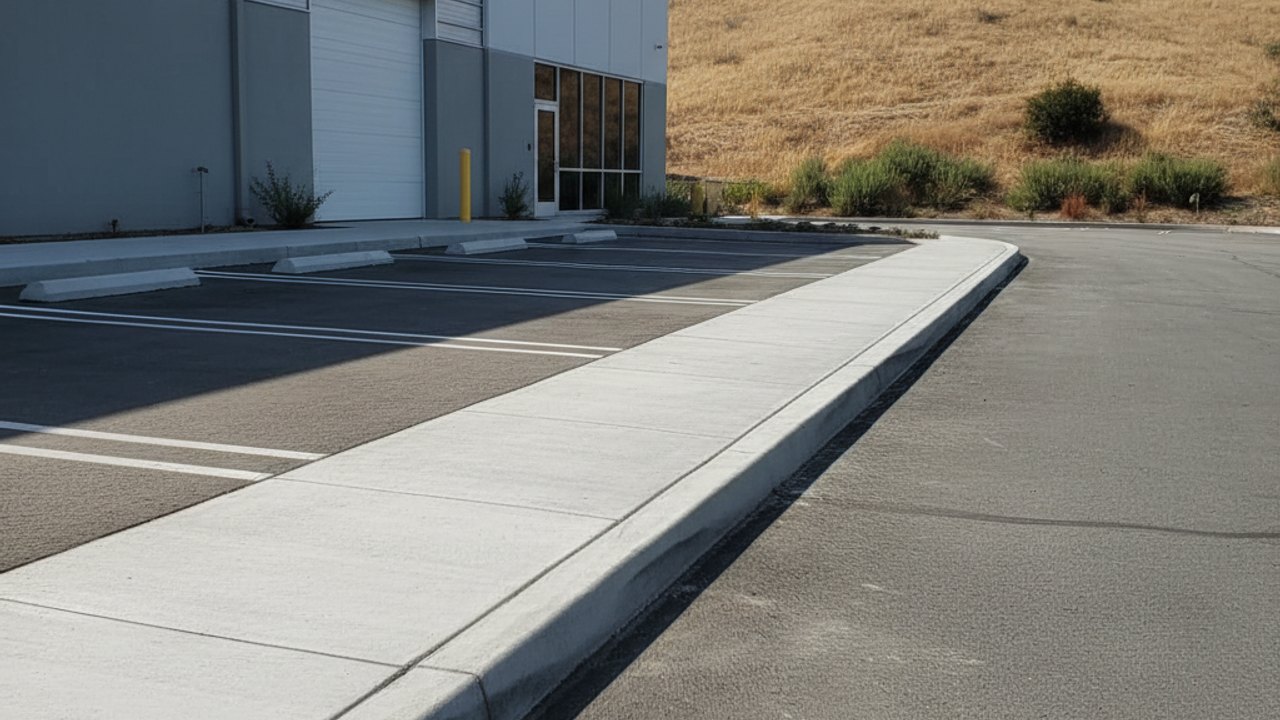
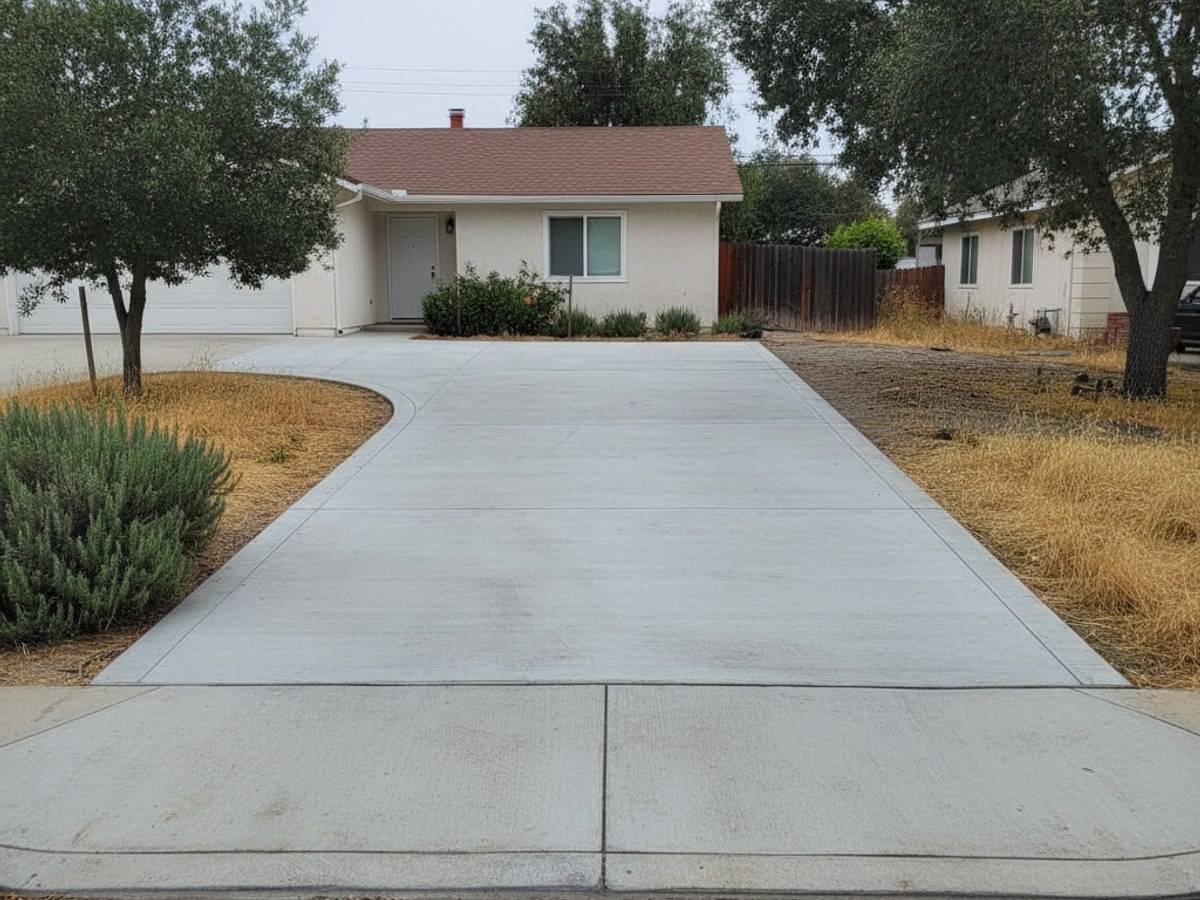
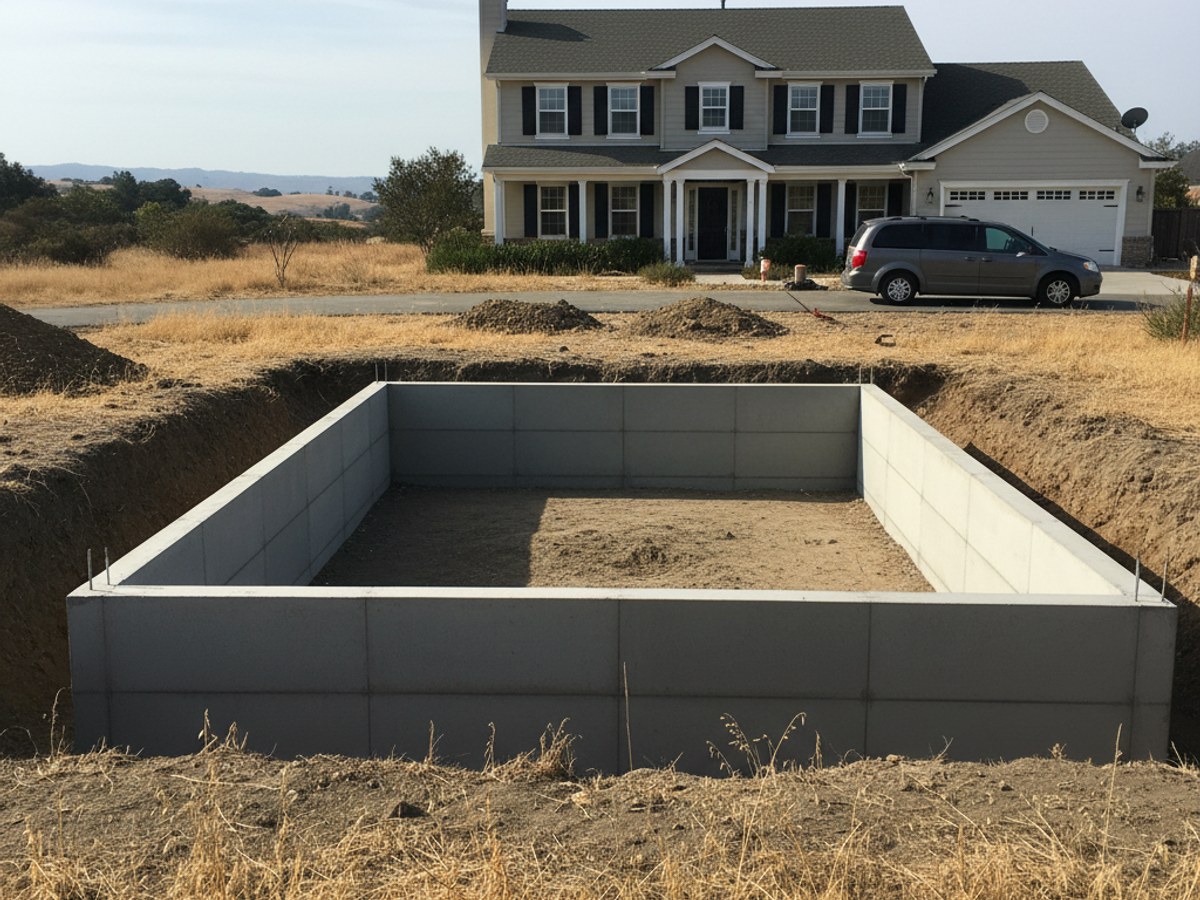
Every job below is one we do ourselves across San Mateo.
We form and pour driveways thick enough to carry a vehicle without cracking under normal use, usually 4 inches for a car and more for anything heavier. Rebar goes down before the pour on anything that'll see regular traffic, since wire mesh shifts and stops doing its job once the base settles. We grade the slab to pitch water away from the garage, not toward it.
Patios get a broom finish or a light exposed aggregate, depending on how much slip resistance you want when it's wet. We set the pitch away from the house so water doesn't sit against your foundation. Control joints go in at the right spacing so any cracking that happens later follows the joint, not a random line across the middle.
Stamped concrete gets you the look of flagstone, brick or slate without individual pavers to relevel every few years. We color it before the pour with an integral color or a release agent for pattern definition, then seal it once it's cured. The stamping has to happen while the concrete is still plastic, so timing on pour day matters more than on a plain slab.
We fix cracked slabs, spalling from years of deicing salt or fertilizer, and sections that have settled or heaved. Small cracks get routed and filled, while bigger settlement problems usually mean mudjacking or a full slab replacement. We'll tell you honestly if a patch will hold or if you're just delaying a tear-out.
We pour footings and foundation walls for additions, ADUs and new structures, tied into whatever the soil conditions call for. Rebar placement and cure time matter more here than on any other job, since everything else in the structure sits on it. We schedule pours around the permit and inspection process so the work doesn't sit waiting for a sign-off.
City sidewalks have to meet specific slope and width requirements, and a lot of older Peninsula walkways were poured before those rules existed. We match new sections to existing grade where we can, or replace the whole run if the old slab has heaved past the point of a clean patch. Expect about five days before foot traffic and closer to a week before anything heavier crosses it.
Front steps take a beating from foot traffic and settle unevenly when the soil under one side is compacted differently than the other. We form and pour steps with rebar tied into the stoop or porch slab so the whole structure moves together instead of separating at the seam. Riser height and tread depth get checked against code before we pour, not after.
Sometimes a slab is too far gone to patch, too many cracks, too much settling, or it was never poured with the base compaction it needed. We break it out, haul it away, re-grade and compact the base, then form and pour a new slab that's actually built to hold. This is usually the right call once repairs start costing more than a fresh pour would.
Retaining walls hold back soil on sloped lots, which is common enough on the Peninsula's hillside streets. We size the wall and its drainage for the amount of soil and water it's actually holding back, not a generic spec. A wall that traps water behind it will fail no matter how thick you pour it, so weep holes and gravel backfill aren't optional.
Exposed aggregate gives you a textured, non-slip surface by washing off the top layer of cream to expose the stone underneath. It holds up well on pool decks and walkways where a smooth trowel finish gets slippery when wet. Timing the wash-off right after the pour is what separates a good exposed finish from a blotchy one.
Four steps, and no surprises in any of them.
You tell us what you want doing, we look at what is actually there, and we ask the awkward questions early.
In writing, itemised, free. If something might add cost later we flag it now rather than at the end.
Same crew throughout. We cover your floors, keep the dust down and tidy up before we leave each day.
You point out anything you are not happy with and we fix it before the invoice, not after.
A few driveways, patios and repairs we've poured recently.
These are the towns we're regularly out pouring and repairing concrete in.
Questions that come up once a concrete project is actually underway.
Describe the problem and we will tell you what it probably is. No obligation.